FaceHeart’s Perspective: Chronic Disease Management with Remote Monitoring

Published date: 2025-10-15 Last updated: 2025-12-19

FaceHeart’s Perspective: Chronic Disease Management with Remote Monitoring

I. Definition and Background: What Are Chronic Diseases?

Chronic diseases are generally defined as long-term health conditions that persist for one year or more require continuous medical management, or impair daily activities. In the United States, the most common chronic diseases include heart disease, stroke, cancer, diabetes, chronic kidney disease, and chronic lung disease.Although most chronic conditions are not curable,, long-term management strategies can reduce  the risk of serious complications and enhance overall quality of life.

According to the CDC, chronic diseases are the leading causes of death and disability in the United States. About 6 in 10 adults have at least one chronic disease, and 4 in 10 adults are living with two or more. Chronic disease care represents the majority of U.S. healthcare spending, underscoring that chronic disease management is both a matter of individual health and a central challenge for public health systems and national healthcare economy.

So, what is chronic disease management? According to HealthCare.gov, chronic disease management is an integrated approach to care that includes regular screening, continuous monitoring, coordinated treatment, patient education, and lifestyle support. Its goal is to help patients effectively manage their conditions, minimize symptoms and acute medical events, and improve long-term quality of life.

From FaceHeart’s perspective, the future of chronic disease management lies in data continuity and convenience. Traditional models rely heavily on scheduled clinic visits and patient self-reporting, which often resulting in incomplete, delayed, or subjective health data between appointments. Physicians are left with fragmented snapshots that may not accurately reflect a patient’s day-to-day health status.

FaceHeart believes that with the advancement of telemedicine and Software as a Medical Device (SaMD) tools, non-invasive technologies—such as using a smartphone camera—could enable continuous collection of key physiological indicators like heart rate, respiratory rate, and blood oxygen in daily life. By bridging the gaps in conventional monitoring, contactless software as a medical device enable early detection of clinical abnormalities and empower patients with real-time, personalized insights into their health.

While chronic diseases are inherently long-term, the critical challenge lies in integrating effective disease management into patients’ daily lives This remains a key focus of FaceHeart’s mission.

II. Current Status and Future Trends in 2025: The U.S. Example

With an aging population and widespread lifestyle-related risk factors, the burden of chronic disease in the United States remains persistently high. Chronic diseases are among the leading causes of death and disability in the U.S., as well as a major driver of rising healthcare costs.

Chronic Disease Burden (2025 Snapshot)

Medicare’s Role in Chronic Disease Management

  • Coverage: As of 2024, more than 65 million Americans rely on Medicare.
  • Public Spending: Medicare represents one of the largest categories of public healthcare expenditure in the United States.
  • Policy Driver: Medicare has been a key driver in expanding access to Chronic Care Management (CCM) and Remote Patient Monitoring (RPM) reimbursement, making it a cornerstone institution in the chronic disease management landscape.
  • Official Reference: Medicare.gov

What Is Chronic Care Management (CCM)?

The U.S. Centers for Medicare & Medicaid Services (CMS) has introduced several care management services, among which Chronic Care Management (CCM) is specifically designed for beneficiaries with two or more chronic conditions. Under this program, healthcare providers are reimbursed for delivering monthly care coordination and personalized support, such as:

  • Follow-up phone calls
  • Updates to treatment plans
  • Management of electronic health records

The primary goal of CCM is to improve continuity of care, ensuring that patients with multiple chronic conditions receive consistent, coordinated, and proactive healthcare.

What Is Remote Patient Monitoring (RPM)?

Remote Patient Monitoring allows healthcare providers to collect and transmit patients’ physiological data remotely—such as weight, blood pressure, blood oxygen saturation, and respiratory flow—from outside of traditional clinical settings. These real-time insights support timely decision-making, allowing accelerated clinical response.In recent years, the adoption of RPM has grown rapidly, reflecting its value in supporting chronic disease management and reducing unnecessary hospital visits. At the same time, this growth has also drawn increased regulatory attention, with oversight agencies emphasizing the importance of compliance, accurate reporting, and appropriate clinical use.

Practical Directions for Future Improvement

From FaceHeart’s perspective, although chronic disease management in the U.S. is gradually integrating Chronic Care Management (CCM) and Remote Patient Monitoring (RPM), there are still two major areas for practical improvement:

  1. Hardware Barriers in Data Collection
    • Most RPM devices still require patient-initiated use—such as taking readings with blood pressure monitors, operating glucometers, or wearing sensors for extended periods. For older adults or low-income populations, these hardware requirements can pose a significant barrier, often resulting in gaps in incomplete data and reduced monitoring effectiveness.
  2. Digital Literacy and Rural Access Issues
    • While Medicare now provides reimbursement for Remote Patient Monitoring, digital literacy gaps and limited access in rural areas remain major barriers to equitable adoption.. Capturing key vital signs—such as heart rate, blood oxygen, and respiratory rate—using built-in cameras on smartphones, tablets, or laptops could reduce reliance on specialized hardware and make remote health management more accessible for patients in daily settings.

From this perspective, the future of chronic disease management lies not in generating more data, but in making data collection easier, more seamless, and more accessible.. Only then can the approach align with CMS policy directions (CCM + RPM) while also advancing public health equity goals by reducing barriers for vulnerable populations.

For further reading:What Is Remote Vital Signs Monitoring? Comprehensive Health Monitoring Insights!

III. The Value of Chronic Disease Management and Emerging Applications

1. Value for Patients

Effective chronic disease management delivers meaningful benefits at the patient level, improving health outcomes and overall well-being.

  • Improved quality of life: Ongoing monitoring and timely interventions help reduce the risk of symptom worsening and acute episodes.
  • Fewer emergency visits and hospitalizations: Well-managed chronic disease care can lower the incidence of preventable medical events.
  • Enhanced self-efficacy: The CDC’s Self-Management Education (SME) programs have been shown to help patients set health goals and strengthen their ability to manage daily life.

2. Value for Healthcare Institutions and Clinical Teams

For healthcare institutions and clinical teams, chronic disease management offers a strategic advantage by improving care quality, enhancing operational efficiency, and supporting alignment with value-based care models.

  • More complete clinical data: With Chronic Care Management (CCM) and Remote Patient Monitoring (RPM), physicians no longer rely solely on isolated clinic visits but can access long-term health trends.
  • Care coordination: CCM encourages collaboration across teams—physicians, nurses, pharmacists, and health coaches, reducing redundant tests and minimizing drug interactions.
  • Policy and reimbursement incentives: CMS provides clear reimbursement frameworks, motivating healthcare providers to adopt long-term care management.

3. Value for Public Health and Society

Chronic disease management delivers measurable benefits at the population level by reducing healthcare costs, addressing health disparities, and supporting workforce productivity.

  • Reduced healthcare costs: Chronic disease care accounts for the majority of U.S. healthcare spending; lowering avoidable hospitalizations can lead to substantial savings.
  • Narrowing health disparities: According to University of Chicago research, chronic disease management programs designed for low-income patients can significantly improve health outcomes.
  • Stronger workforce and economic benefits: Effective chronic disease control allows patients to maintain functional capacity longer, reducing workforce loss.

4. Value of Technology Applications

Digital health technologies are transforming chronic disease management by enabling continuous monitoring, personalized care, and improved patient engagement.

  • Remote monitoring: Devices can transmit blood pressure, glucose, heart rate, and blood oxygen data directly to physicians.
  • Data-driven precision care: Comprehensive patient data collected over time empowers more accurate clinical decision-making.
  • Behavioral support: Apps and wearables prompt medication adherence, motivate increased physical activity, and monitor sleep patterns..
  • Regulation and standardization: The FDA Digital Health Center of Excellence provides oversight and frameworks for SaMD and remote monitoring tools, ensuring safety and compliance.

5.FaceHeart’s Positioning in Application Scenarios

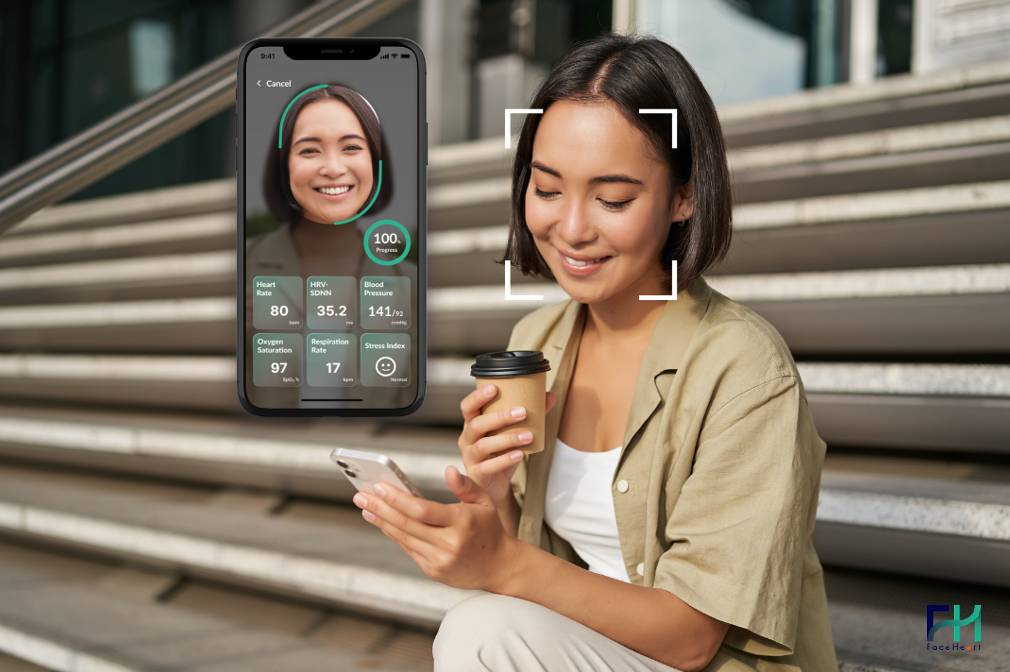
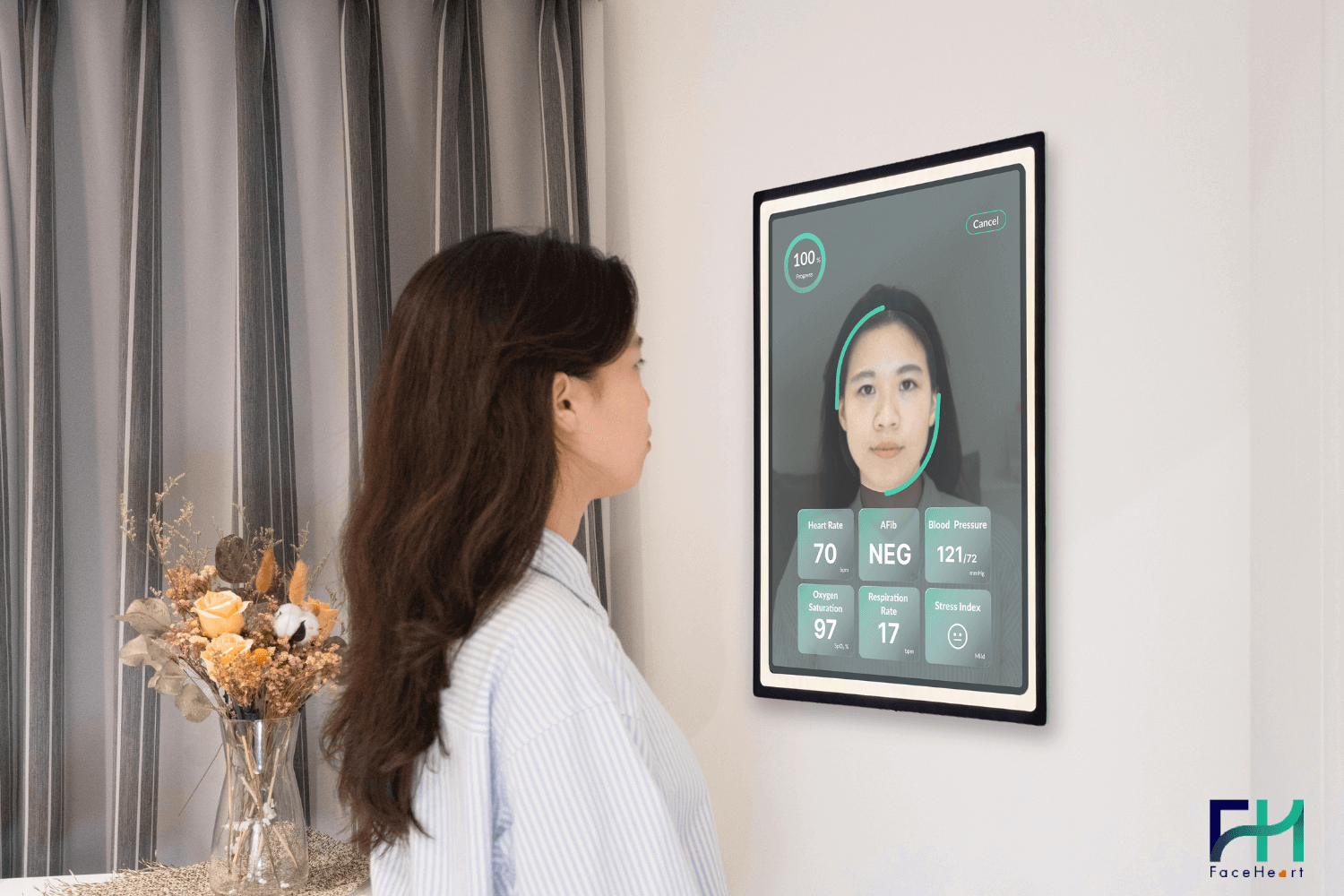
FaceHeart offers video-based physiological signal monitoring technology that measures heart rate, blood oxygen, and respiratory rate using a smartphone camera. These monitored indicators align with the examples outlined by CMS for Remote Patient Monitoring. Therefore, within the framework of proper healthcare workflows and compliance standards, FaceHeart’s technology holds strong potential for integration into remote monitoring applications.

IV. Challenges in Chronic Disease Management and Paths to Improvement

While chronic disease management has demonstrated effectiveness in improving health outcomes and reducing emergency medical events, significant practical challenges remain in its implementation.

1. Sustaining Long-Term Lifestyle Change

Changing daily habits is a persistent challenge in chronic disease management. Even when patients participate in self-management education programs, many struggle to maintain behaviors such as healthy eating, regular exercise, and medication adherence over time. These difficulties are often compounded by psychological stress, limited family support, and unsupportive social or environmental conditions.

2. Financial and Insurance Barriers

Access to chronic disease management is often limited by cost. Although Medicare has introduced reimburses service for CCM and RPM, many patients–particularly those who are uninsured or have low income–still face financial barriers that restricted their ability to participate in consistent and long-term care.

3. Technology and Data Privacy

As telehealth and digital health tools become more widely integrated into chronic disease management, patient data privacy and security have become critical concerns. In the U.S., healthcare providers must comply with HIPAA regulations, ensuring that patient data is securely collected, transmitted, and stored throughout the care process..

4. Regulatory and Compliance Risks

According to an OIG report, between 2019 and 2022, Medicare’s use of RPM grew rapidly, but some beneficiaries did not fully meet the three required service components(education and setup, device supply, and treatment management). This highlights the need for stronger oversight and compliance in the rollout of RPM services.

5. Accessibility of Medical Devices

Limited access to medical devices remains a major barrier in underserved and rural communities.For many low-income patients, even with support from government or community programs, essential monitoring hardware is  difficult to obtain or maintain, leaving these groups excluded from care and widening existing health disparities.

Where Improvement Is Most Needed: Accessibility of Medical Devices

From FaceHeart’s perspective, the key challenge is making medical-grade monitoring both accessible and easy to use, especially for undeserved populations who face barriers to participate in remote care. While existing RPM tools can collect physiological data, patients often forget or find it cumbersome to use them daily. This creates data gaps that undermine clinical decision-making.

FaceHeart believes that lowering the barrier to device use is key to solving this challenge. By using everyday cameras–such as those on smartphones, tablets, or during telehealth video visits–to automatically capture vital signs like heart rate and blood oxygen levels, continuous monitoring becomes more practical and scalable. This approach minimizes reliance on specialized hardware and improves accessibility for underserved and rural populations, supporting the broader goals of healthcare equity.

V. Application Example: FaceHeart’s Role in Chronic Disease Management

FaceHeart is committed to enhancing chronic disease management across different scenarios. The following application examples demonstrate how our technology can be effectively applied in real-world settings:

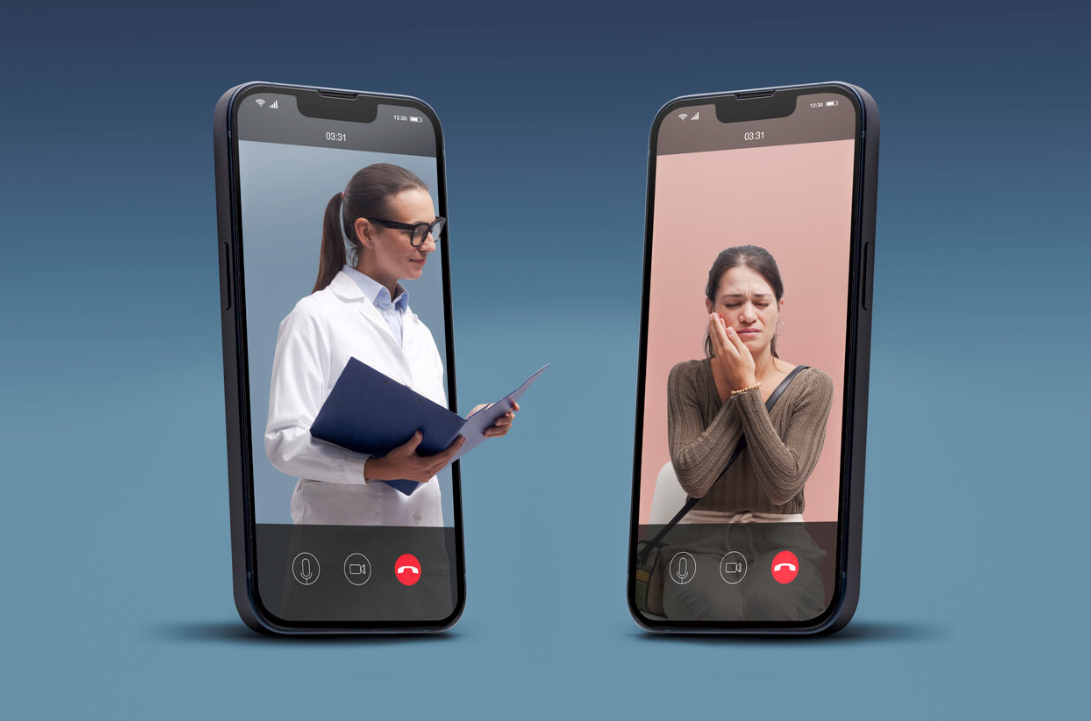
  • Example 1: Physiological parameter supplementation during telehealth visits 
    • During virtual consultations, FaceHeart can provide real-time heart rate, blood oxygen, and respiratory rate data as supplementary information for clinical decision-making.
  • Example 2: At-home monitoring alerts for patients with hypertension or depression
    • When patients conduct routine measurements at home, FaceHeart’s algorithm analyzes the data in real time to detect abnormal trends and automatically notifies caregivers, which enables timely follow-up and early intervention.
  • Example 3: Accessible monitoring for elderly or rural populations
    • Community health workers can perform home visits equipped with tablets running FaceHeart’s technology to capture and upload vital signs measurement report in real time. This enables physicians to monitor patients remotely and provide timely interventions, even in areas with limited access to healthcare facilities.

From Traditional Care to AI-Powered Monitoring: FaceHeart’s Approach to Chronic Disease Management

Aspect Traditional Chronic Disease Management FaceHeart-Enabled Management
Monitoring Method In-person clinic visits, paper records Video-based detection (heart rate, blood oxygen, respiration)
Data Frequency Intermittent (monthly or quarterly) Real-time or daily monitoring
Convenience Patients often need to visit clinics Can be completed remotely at home
Applicability Limited access in rural or underserved areas Supports patients in rural or mobility-challenged settings

For further reading:Vital Signs Monitoring and Measurement

VI. Digital Health Innovations and the Future of Chronic Disease Management

Digital health and telemedicine are reshaping how chronic disease management is delivered and are driving the future of care innovation.

Growth of Telehealth and Remote Patient Monitoring (RPM)

According to CMS guidelines on Remote Patient Monitoring (RPM), RPM services are now reimbursable under Medicare, covering physiological data such as blood pressure, weight, pulse oximetry, and respiratory flow. This allows physicians to track patients’ health status without frequent clinic visits. As demand for home-based care continues to rise, Remote Patient Monitoring (RPM) is becoming an essential component of chronic disease management.

The Role of AI and Software as a Medical Device (SaMD)

The FDA Digital Health Center of Excellence highlights Software as a Medical Device (SaMD) as one of the most promising tools for advancing chronic disease management. Additionally, powered by AI it can analyze long-term health data, identify abnormal patterns, and support healthcare professions through risk prediction and early interventions.

Equity and the Technology Gap

Despite rapid progress in digital health, access to wearable devices remains limited for many. Rural and low-income populations often face barriers such as the high cost of hardware and unreliable internet connectivity. Expanding the accessibility and affordability of remote monitoring solutions is crucial to advancing health equity and ensuring no population is left behind.

Remote Monitoring as a Driver of Future Trends

From FaceHeart’s perspective, the future lies in non-invasive, low-barrier digital monitoring. By leveraging everyday devices—such as smartphone or laptop cameras—to capture vital signs like heart rate, respiratory rate, and blood oxygen, health monitoring becomes both more accessible and user-friendly. This approach aligns with  Medicare’s RPM framework while addressing public health equity challenges, helping to make digital health solutions widely accessible and inclusive.

VII. Future Trends in Chronic Disease Management

The future of chronic disease management depends not only on policies and insurance frameworks but also on the seamless integration into patients’ lives. Although current Remote Patient Monitoring (RPM) tools are capable of providing physiological data, their complexity and reliance on additional hardware often hinder patient adherence.

From FaceHeart’s perspective, the next step in chronic disease management should focus on:

  • Lowering the technology barrier: Using everyday devices such as smartphones or tablets to automatically collect core physiological signals, easing the burden on patients.
  • Bridging the urban–rural gap: Enabling rural and low-income populations to access chronic disease management without relying on costly hardware.
  • Leveraging remote monitoring technologies: Complementing existing devices by  filling data gaps and enhancing the accuracy of clinical decision-making.

Based on its practical experience, FaceHeart believes that the future of chronic disease management lies not ingenerating more data, but in making data more accessible. This approach is essential to achieving public health goal of equity while meeting clinical demands for precision and compliance.

VIII.FAQ

1. What are the most common chronic diseases in the U.S.?

According to CDC statistics, the most common chronic diseases in the United States include heart disease, stroke, cancer, diabetes, obesity, chronic kidney disease, and chronic lung disease. These conditions not only affect patients’ quality of life but are also major drivers of healthcare spending and public health challenges.

2. Is self-management education really effective?

Yes. Research shows that patients who participate in six-week programs experience significant improvements in symptom management, self-efficacy, and quality of life. These programs are low-cost, easy to implement in community settings, and especially effective for older adults and individuals managing multiple chronic conditions.

3. How is data privacy protected in Remote Patient Monitoring (RPM)?

In the U.S., all services involving patient health information must comply with HIPAA regulations, which ensure data encryption and secure transmission. For RPM programs reimbursed by Medicare, healthcare providers are required to use compliant devices and software and must clearly inform patients about how their data will be collected, stored, and used.

4. What should patients with multiple chronic conditions do?

Patients managing multiple chronic conditions need comprehensive, coordinated care. Integrating  Chronic Care Management (CCM), Chronic Disease Self-Management Education (CDSME), and community resources can help reduce medication conflicts, prevent redundant testing, and enhance overall quality of life.


How FaceHeart Vitals™ Can Help?