

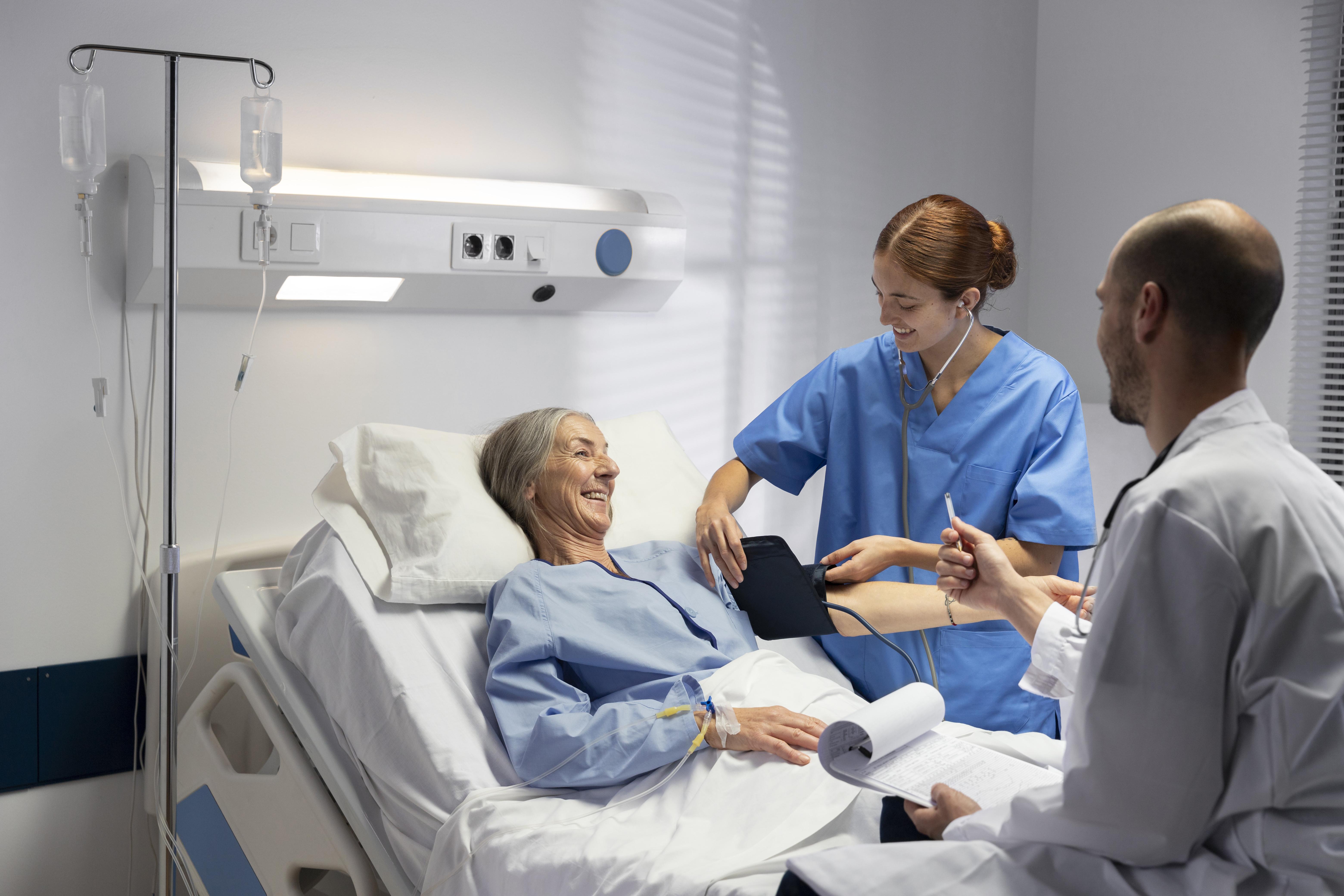
Vital signs—such as body temperature, heart rate, respiratory rate, blood pressure, and oxygen saturation—are essential indicators of overall health management and diagnostic assessment. This article explains what vital signs are, their normal ranges, common measurement methods, and how monitoring technologies have evolved from traditional approaches to modern, contactless solutions such as FaceHeart Vitals™, an FDA-cleared vital signs monitoring technology for healthcare and telemedicine.
1. What are Vital Signs? Understanding the Five Core Vital Sign Measurements
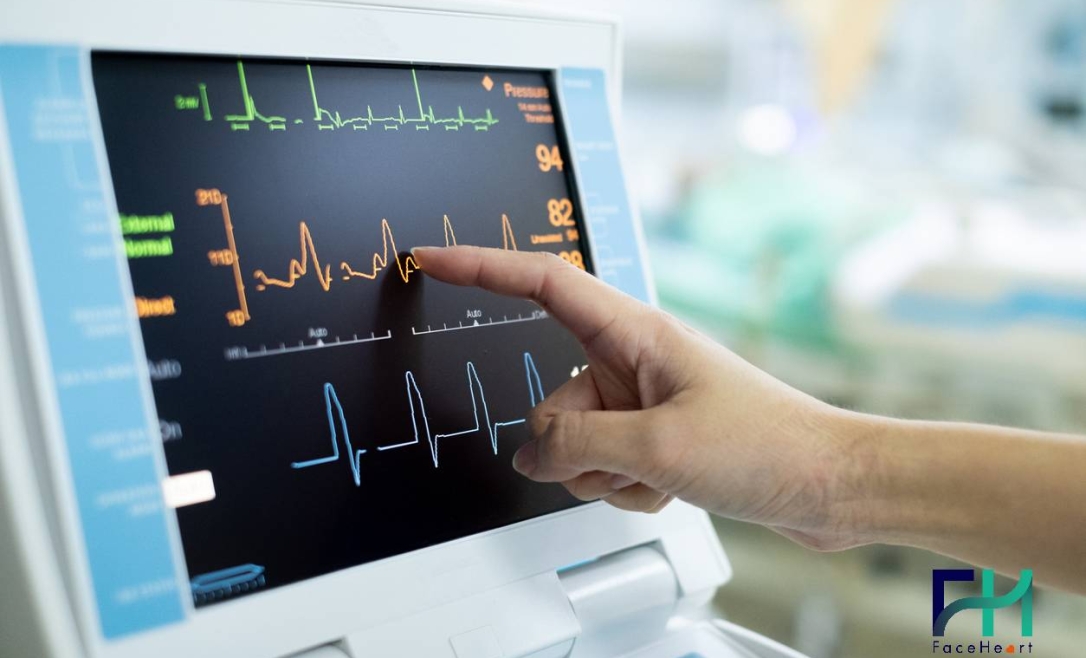
Vital signs are the key physiological indicators that reflect the body’s essential functions. Measuring vital signs provides a fast and reliable snapshot of a person’s health status, helping detect medical problems in an early manner. In clinical settings, healthcare providers and caregivers rely on both vital signs measurement and vital signs monitoring to assess the health status of the patient and identify potential risks of acute or chronic illness.
The five primary vital signs commonly measured in clinical settings are body temperature, pulse rate, respiratory rate, blood pressure, and oxygen saturation. Each parameter provides critical insight into how the body is functioning and responding to internal or external changes. Accurate continuous vital signs monitoring forms the foundation of effective medical assessment, early intervention, and patient-centered care.
|
Normal range |
Abnormal conditions |
|
|
Body Temperature |
Between 36.1°C (97°F) and 37.2°C (99°F) for adults |
Fever (> 38 °C/100.4°F): Often indicates infection, inflammation, or an active immune response. Hypothermia (< 35 °C/95°F): May result from prolonged exposure to cold, shock, or metabolic disorders. |
|
Pulse / Heart Rate |
Typically 60 – 100 beats per minute (bpm) for adults |
Tachycardia (fast heartbeat): May result from stress, fever, dehydration, anemia, arrhythmia, or hyperthyroidism. Bradycardia (slow heartbeat): Common in well-trained athletes or during sleep, but may also occur with heart conditions or certain medications. |
|
Respiratory Rate |
Typically 12 – 20 breaths per minute (bpm) for adults |
Tachypnea (rapid breathing): May occur with fever, anxiety, metabolic acidosis, or lung infection. Bradypnea (slow breathing): Can result from head injury, sedative or narcotic use, or severe hypoxia. |
|
Blood Pressure |
Typically less than 120/80 mmHg for adults |
Elevated: 120-129 systolic and less than 80 diastolic Prehypertension: 130-139 systolic or 80-89 diastolic Hypertension: 140 or higher systolic or 90 or higher diastolic. Hypotension: 90 or lower systolic or 60 or lower diastolic. |
|
Oxygen Saturation |
95 % – 100 %. |
Low oxygen saturation (SpO₂ < 92 %): May indicate respiratory failure, airway obstruction, pneumonia, or cardiovascular dysfunction. |
1.1 Body Temperature
Changes in body temperature provide critical insight into a patient’s health status. While a moderate temperature increase may be part of the body’s natural immune response, sustained fever or hypothermia can be life-threatening. Continuous monitoring of body temperature is essential for infection control, post-operative care, and the management of critically ill patients.
1.2 Pulse / Heart Rate
Changes in heart rate offer a fast and effective assessment of circulatory function. In emergency, surgical, and critical-care settings, continuous heart rate monitoring provides real-time insight into patient condition and overall physiological status.
1.3 Respiratory Rate
Alterations in breathing patterns are often among the earliest indicators of physiological distress. Continuous respiratory rate monitoring is especially important for patients with respiratory diseases such as pneumonia or COVID-19, as it supports early detection of respiratory failure and timely medical intervention.
1.4 Blood Pressure
Blood pressure is a key indicator of cardiovascular stability. Continuous monitoring of blood pressure enables early detection of abnormalities, helps prevent serious cardiovascular events, and supports patient safety during surgery, anesthesia, and intensive care.
1.5 Oxygen Saturation
Oxygen saturation reflects the integrated performance of the respiratory and circulatory systems. Continuous monitoring of oxygen is crucial for patients undergoing anesthesia, receiving intensive care, or managing chronic lung disease, helping ensure adequate oxygen delivery and preventing hypoxic complications.
Beyond the five core parameters, clinical practice often incorporates additional indicators—commonly referred to as the “sixth” or “seventh” vital signs—to achieve a more comprehensive assessment. These extended metrics can support clinical decisions and enhance overall monitoring accuracy.
Pain level is frequently evaluated because, although subjective, it is closely linked to disease severity, injury progression, and treatment response. Patient-reported pain level can directly influence clinical decisions. Level of consciousness is another critical indicator, reflecting brain and neurological function. Changes in consciousness may be a sign of infection, neurological injury, or systemic instability. Blood glucose levels are also commonly monitored, particularly in patients with diabetes or metabolic disorders, serving as an important biomarker for metabolic control and risk management.
Collectively, these supplementary indicators enable healthcare professionals to strengthen vital signs monitoring strategies, enabling holistic evaluation of both physical and psychological health, and enhancing patient-centered outcomes.
Further Reading: What Is Remote Vital Signs Monitoring? Comprehensive Health Monitoring Insights!
2. What are the Methods for Measuring Vital Signs? A Comparison of Three Common Measurement Approaches
|
Category |
Manual Measurement |
Medical Device-Based Measurement |
Wearable & Remote Monitoring |
|
Measurement Method |
Performed and interpreted manually by healthcare professionals |
Automatically measured using professional medical devices |
Continuously monitored via wearable devices or home medical equipment |
|
Accuracy |
Highly dependent on staff experience; susceptible to human error |
High, with medical-grade precision |
Moderate to high, |
|
Real-Time Capability |
Low |
High |
High |
|
Data Recording & Analysis |
Mostly requires manual documentation |
Data can be stored in health information systems (HIS) |
Automatically uploaded to the cloud for analysis |
|
Cost Structure |
Low equipment cost, high labor cost |
Moderate to high |
Moderate, with scalability advantages |
|
Applicable Settings |
Outpatient clinics, hospital wards, emergency departments |
Hospitals, ICUs, long-term care facilities |
Home care, telemedicine, chronic disease management |
2.1 Manual Measurement
Manual measurement is the most traditional and foundational method of vital signs measurement in clinical practice. It is typically performed directly by physicians or nursing staff using basic instruments—for example, thermometers for body temperature, a sphygmomanometer and stethoscope for blood pressure, or visual observation and timing to calculate respiratory rate and pulse.
The primary advantages of manual vital signs measurement are its simplicity, minimal equipment requirements and low upfront costs. This makes it suitable for outpatient visits, initial inpatient assessments, or emergency situations. However, manual measurement is highly dependent on the operator’s experience and clinical assessment and does not support continuous monitoring or long-term trend analysis.
2.2 Medical Device-Based Measurement
Advances in medical technology have enabled most vital signs to be measured using dedicated medical devices, including electronic blood pressure monitors, pulse oximeters, electrocardiograms (ECGs), and multiparameter patient monitors.
These devices provide higher accuracy and real-time data, forming the backbone of vital signs monitoring in hospitals, intensive care units, and long-term care facilities. Compared with manual measurement, device-based vital signs monitoring reduces human error and supports automated data storage for clinical trend analysis. However, it typically requires a fixed clinical environment and trained personnel to operate the equipment.
2.3 Wearable & Remote Monitoring
In recent years, wearable technologies and Remote Patient Monitoring (RPM) have become a major trend in modern healthcare. Through smartwatches, patch-based sensors, and home medical devices, patients can perform continuous vital signs monitoring—tracking parameters such as heart rate, oxygen saturation, physical activity, sleep patterns, and in some cases, blood glucose levels and ECG signals.
These data are transmitted in real time to cloud-based platforms for clinical review, enabling remote vital signs measurement and monitoring beyond traditional healthcare settings. Wearable and remote monitoring solutions are particularly well suited for chronic disease management, home care, and telemedicine, supporting earlier detection of abnormalities, reducing hospitalizations and emergency visits, and promoting a more proactive, prevention-focused healthcare model.
Overall, methods for vital signs measurement and monitoring have evolved significantly with advances in medical technology. From manual assessments to device-based and remote monitoring solutions, each approach offers unique advantages and is best suited to specific clinical or home medical use cases.
Further Reading: How Remote Patient Monitoring Devices Are Evolving with Contactless Vital Sign Measurement
3. How Is Vital Signs Measurement Performed?
Vital signs measurement is not only an essential tool for physicians in diagnosing and managing disease, but also the first step for individuals to understand and manage their own health. Through regular measurement, individuals can identify abnormal changes early, track the progression of chronic conditions, and seek medical attention when needed.
3.1 How to Measure Body Temperature
Body temperature is most commonly measured using a digital thermometer, which can be used orally, under the armpit, or in the ear. Before measurement, it is recommended to rest for at least five minutes. Place the thermometer in the appropriate position and wait for the signal tone before recording the result. Temperatures above 38°C/100.4°F or below 35°C/95°F should be monitored closely or discussed with a healthcare provider. For accurate and consistent monitoring, body temperature should not be measured immediately after exercise, eating, or bathing; waiting at least 15 minutes is advised.
3.2 How to Check Your Pulse or Heart Rate
Pulse or heart rate can be measured as part of basic vital signs measurement without specialized equipment. By placing the index and middle fingers on the radial artery at the wrist, you can feel the pulse rhythm. Counting the beats for 30 seconds and multiplying by two gives the heart rate per minute. If the pulse is irregular, consistently above 100 beats per minute, or below 60 beats per minute, it is recommended to document the readings and consult a physician. For more advanced vital signs monitoring, smartwatches or fitness bands can automatically track heart rate trends over time.
3.3 How to Monitor Your Breathing Rate
Respiratory rate measurement requires only a timer. While sitting comfortably and breathing naturally, observe the rise and fall of the chest or abdomen and count each breath for one minute. A normal adult respiratory rate typically ranges from 12 to 20 breaths per minute. Continuous monitoring of breathing patterns is important, as persistent shortness of breath, rapid breathing, or wheezing may indicate respiratory distress and should prompt immediate medical attention.
3.4 How to Measure Blood Pressure at Home
Blood pressure is best measured at home using an automatic upper-arm blood pressure monitor. Before measurement, sit quietly for five minutes and avoid caffeine, smoking or exercise. The cuff should be placed on the upper arm at heart level. Once the device is activated, record both systolic and diastolic readings. Consistent monitoring—ideally at the same time each day—helps identify trends and supports long-term cardiovascular health management.
3.5 How to Check Oxygen Saturation
Oxygen saturation is measured using a fingertip pulse oximeter. Insert the finger into the sensor and remain still until the reading appears. Normal oxygen saturation levels typically range from 95% to 100%. If levels fall below 90%, rest immediately and seek medical assistance. Continuous monitoring of oxygen saturation is particularly useful for individuals with chronic respiratory conditions or sleep apnea, or during home-based exercise and recovery monitoring.
4. How to Choose the Right Vital Signs Monitoring Device: 3 Key Factors
When selecting a vital signs monitoring device, it is essential to start with real-world use cases and assess how both measurement accuracy and monitoring capabilities align with clinical requirements. Considering the following three key factors helps ensure reliable and actionable outcomes.
4.1 Evaluate the Use Case and Monitoring Purpose
Different users have varying requirements for vital signs monitoring and measurement, including daily personal health tracking, long-term chronic disease management, care in long-term care facilities, and applications in telemedicine and public health. Choosing the appropriate device type—whether home medical, wearable, or contactless—and selecting the right set of measured vital signs based on the intended use case helps maximize both clinical effectiveness and operational value.
4.2 Confirm Measurement Accuracy and Regulatory Approval
Because vital signs data often support health assessments and clinical decision-making, measurement accuracy is a critical consideration. FDA clearance in the United States is a strong indicator of device reliability, as FDA-cleared solutions undergo rigorous evaluation for safety, accuracy, and clinical performance, making these devices more suitable for medical and telehealth applications than general wellness tools.
4.3 Consider Ease of Use and System Integration Capabilities
An effective vital signs monitoring solution should be intuitive to operate, enable fast and consistent measurement, and support long-term data storage with cloud-based analysis. Seamless integration with healthcare systems or remote patient monitoring (RPM) platforms is especially important for chronic disease tracking, clinical interpretation, and population health management.
By evaluating devices based on these three key factors, users can select a vital signs monitoring solution that balances accuracy, safety, and practicality—making health management more efficient and more reliable.
5. Vital Signs Monitoring Device Recommendation: FaceHeart Vitals™ — FDA-Cleared Contactless Monitoring Technology
Among the many vital signs monitoring solutions available today, FaceHeart Vitals™ stands out as a strong option for modern healthcare and telemedicine applications due to its innovative technology and proven clinical reliability. FaceHeart Vitals™ has received FDA clearance in the United States, indicating that it meets stringent regulatory standards for safety, vital signs measurement accuracy, and clinical performance.
5.1 FaceHeart Vital Signs Monitoring Technology Overview
FaceHeart technology integrates advanced face detection/tracking, image processing, and AI-driven algorithms to enable contactless vital signs measurement and monitoring. Subtle facial skin color changes caused by blood flow are captured as optical pulse signals and converted into physiological data.
Through signal filtering and algorithmic analysis, the system performs continuous vital signs measurement of heart rate, respiratory rate, and oxygen saturation trends within seconds. Results can be displayed in real time or securely uploaded to cloud platforms for long-term vital signs monitoring and seamless integration with clinical systems.
5.2 Measured Vital Signs
FaceHeart’s algorithms support accurate vital signs measurement across multiple core parameters, with performance levels that fall within medical-grade performance ranges, including:
- Heart rate: Evaluates cardiovascular function, stress response, and fatigue levels
- Respiratory rate: Helps identify respiratory conditions, anxiety, or physiological stress
- Oxygen saturation trends: Reflect respiratory and circulatory efficiency
- Stress indicators: Applied in mental health monitoring, and workplace safety
Each measurement takes approximately only 50 seconds with a full health report, making FaceHeart suitable for rapid screening and large-scale vital signs monitoring deployments.
5.3 FaceHeart Application Scenarios
- Healthcare and Telemedicine: FaceHeart can serve as a front-end measurement module for Remote Patient Monitoring (RPM) and telehealth platforms, supporting home-based patients, long-term care facilities, and outpatient screening.
- Workplace and Public Safety: The technology allows real-time assessment of physiological states in high-stress or high-risk personnel, enabling early warning of potential safety risks.
- Consumer Health Applications: FaceHeart can be embedded into mobile apps or smart devices, supporting daily health checks and personal health management.
Designed around simplicity, safety, and speed, FaceHeart Vitals™ delivers a fully contactless vital signs monitoring experience. By eliminating wearables and physical sensors, it enhances comfort, scalability, and hygiene while reducing cross-contamination risks, making FaceHeart Vitals™ an ideal solution that balances efficiency, hygiene, and safety in modern vital signs monitoring.
For more information on FaceHeart technology, devices, applications, and systems and a live demo, contact: [email protected]
6. Frequently Asked Questions About Vital Signs Monitoring
Q1: How Do Vital Signs Differ Between Children and Adults?
Normal vital sign ranges vary between children and adults, particularly for heart rate and respiratory rate. Infants and young children typically have higher metabolic rates, which result in faster heartbeats and breathing rates compared to adults. As children grow and develop, these values gradually shift toward adult norms. For accurate assessment, age-specific reference ranges must always be used when interpreting pediatric vital signs.
Q2: What Role Does Vital Signs Monitoring Play in Clinical Scoring Systems?
Vital signs serve as the foundation of many clinical scoring systems, such as NEWS, MEWS, and other Early Warning Scores. These systems combine parameters like heart rate, respiratory rate, blood pressure, temperature, and oxygen saturation to assess the risk of clinical deterioration, enabling early intervention and informed clinical decision-making.
Q3: How Long Does It Take to Measure Vital Signs?
The time required to measure vital signs varies depending on the method and device used. Traditional manual or medical device-based measurements typically take several minutes to complete. In comparison, FaceHeart Vitals™, a contactless vital signs monitoring solution, uses camera-based image processing to capture key parameters—such as heart rate, respiratory rate, and oxygen saturation trends—within approximately 50 seconds, making it ideal for rapid screening, telehealth, and high-traffic environments.
Q4: Who Should Monitor Their Vital Signs?
Vital signs monitoring is beneficial for a wide range of individuals, especially those with chronic conditions such as hypertension, diabetes, or cardiovascular and respiratory diseases, as well as older adults and post-operative patients. Even healthy adults can benefit from regular monitoring to detect early changes and support proactive health management.
Q5: How Accurate Is Vital Signs Monitoring?
The accuracy of vital signs monitoring depends on the measurement technology and regulatory approval. Devices that are FDA-cleared have been validated for safety and clinical accuracy and are suitable for medical and telehealth use. FaceHeart Vitals™, an FDA-cleared contactless monitoring solution, can reliably measure heart rate and respiratory rate without physical contact, meeting clinically acceptable accuracy standards.
Q6: Does Vital Signs Monitoring Store Personal Data?
Data handling varies by system design. FaceHeart Vitals™ processes physiological signal data derived from optical inputs and does not permanently store facial images. Image-to-signal conversion and data deletion occur locally and immediately, with no facial recognition or identity matching involved. The system is designed to comply with GDPR and HIPAA privacy requirements.
For more information on FaceHeart technology, devices, applications, and a live demo, contact [email protected]
Disclaimer: FaceHeart Vitals™ is not intended for diagnostic purposes. If you have any health concerns, please consult your healthcare provider.