

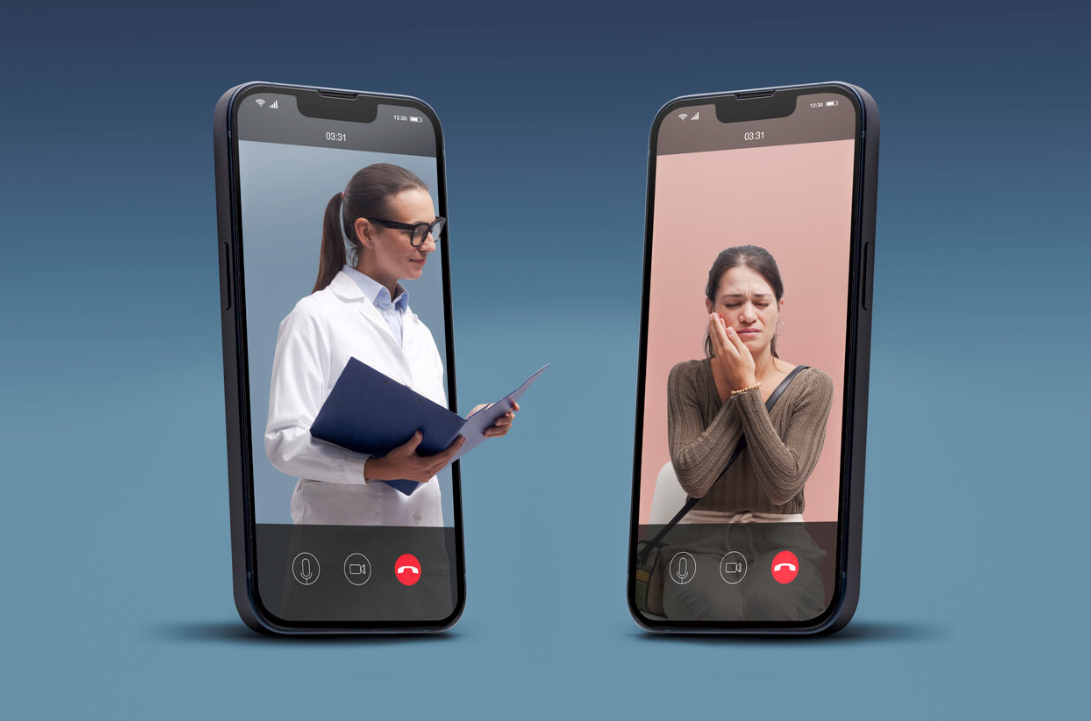
In recent years, telemedicine has evolved beyond a pandemic stopgap—it has become a core for modern health systems to extend the continuum of care and build long-term clinical capacity.
Much of the industry conversation focuses on Remote Vital Signs Monitoring, video visits, and apps. While FaceHeart, as a leader in digital health innovation, provides solutions that do not require additional hardware—discussions with clients show that the same practical questions arise repeatedly:
- Which telemedicine devices should a healthcare facility purchase?
- How should those tools be configured?
- How can a team balance clinical usability, patient adherence, and cybersecurity/compliance?
Based on actual discussions with healthcare providers, FaceHeart has compiled a complete, practical guide—from definitions and device categories to a clinical equipment checklist, privacy and security essentials, future value, cost structure, implementation steps for healthcare facilities, and five key purchasing criteria. The conclusion highlights the best approaches to apply FaceHeart Vitals™ across different telemedicine scenarios.
What Are Telemedicine Devices?
Telemedicine devices refer to the hardware and supporting peripherals that enable medical care to be delivered when care providers and patients are not in the same location. With such devices, healthcare professionals can still carry out essential clinical tasks even when the patient is not physically in the exam room, including:
- Video or audio-based interactive consultations
- Vital signs monitoring (such as blood pressure, SpO₂, heart rate, respiratory rate, body temperature, body weight, etc.)
- Data transmission, trend tracking, and remote clinical assessment
- Abnormality notifications, patient education, and ongoing care follow-up
Essentially, a digital platform manages communication and workflow, while telemedicine devices capture the clinical data required for decision-making.
More importantly, the value of telemedicine devices goes beyond moving clinic visits online; their real impact lies in extending care from a one-time appointment to continuous monitoring. If your goal is to help patients measure reliably at home and transmit data consistently, then telemedicine devices represent a key factor in whether the entire system succeeds.
Types of Telemedicine Devices
Telemedicine device categories are typically aligned with the way telemedicine services are delivered. You can think of telemedicine devices as a collection of tools that support the following four major models:
1. Synchronous Telemedicine Devices
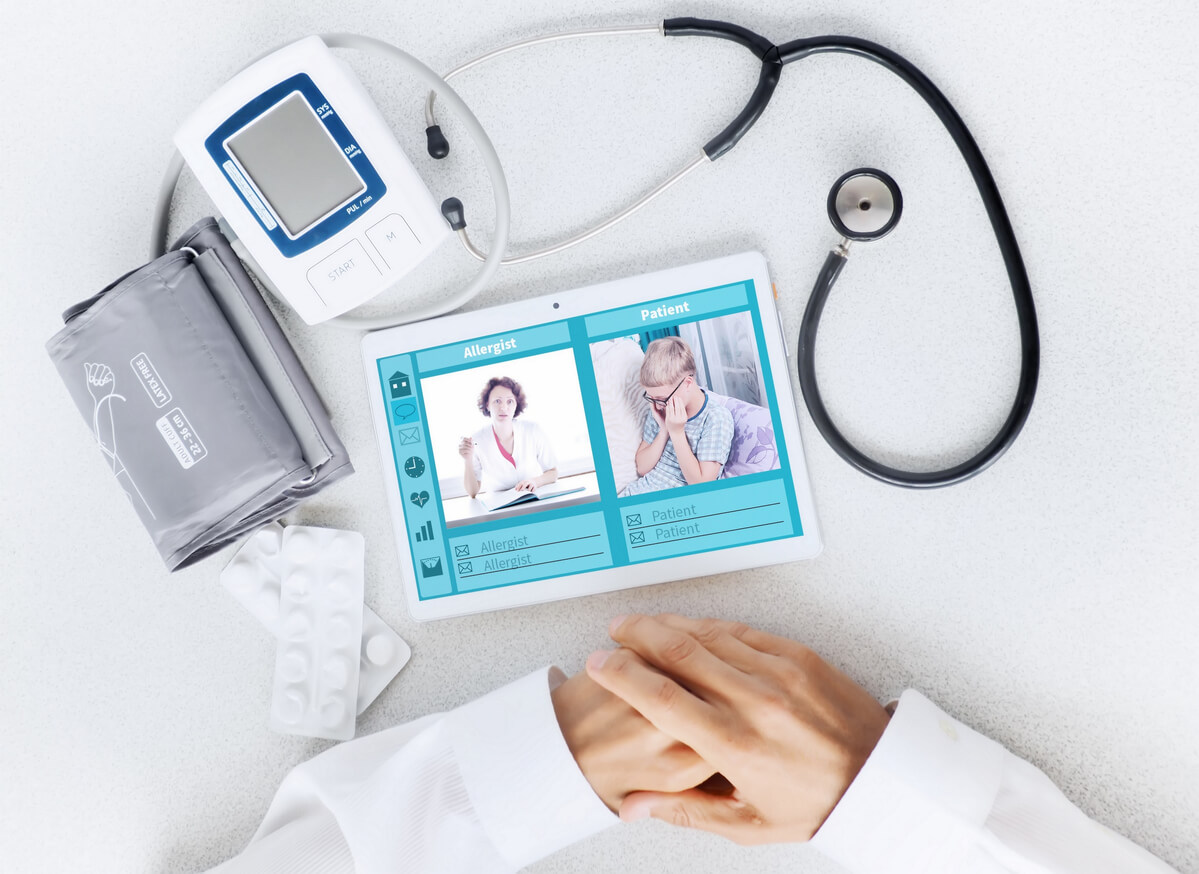
These focus on real-time interaction, such as video consultations, online follow-up visits, and remote specialist sessions. Common equipment includes webcams, microphones, headsets, telehealth exam terminals, and optional clinical peripherals (e.g., digital stethoscopes, otoscopes).
2. Asynchronous (Store-and-Forward) Imaging/Data Upload Devices
%20ImagingData%20Upload%20Devices.jpg)
Such tools are designed for “upload first, review later” workflows—ideal for scenarios that don’t require live conversation, such as dermatology, wound care, lab/report review, and image-based follow-up. Common equipment includes high-resolution cameras, close-up lenses, dermatoscopes, wound imaging tools, and file upload/annotation utilities.
3. Remote Patient Monitoring (RPM) Measurement Devices
%20Measurement%20Devices.jpg)
RPM devices emphasize longitudinal health data for chronic disease management (CDM), post-operative monitoring, home care, and high-risk populations. Common devices include blood pressure monitors, pulse oximeters, scales, glucose meters, ECG/EKG devices, as well as respiratory and sleep-related monitoring tools.
4. mHealth / Home Care IoT Devices
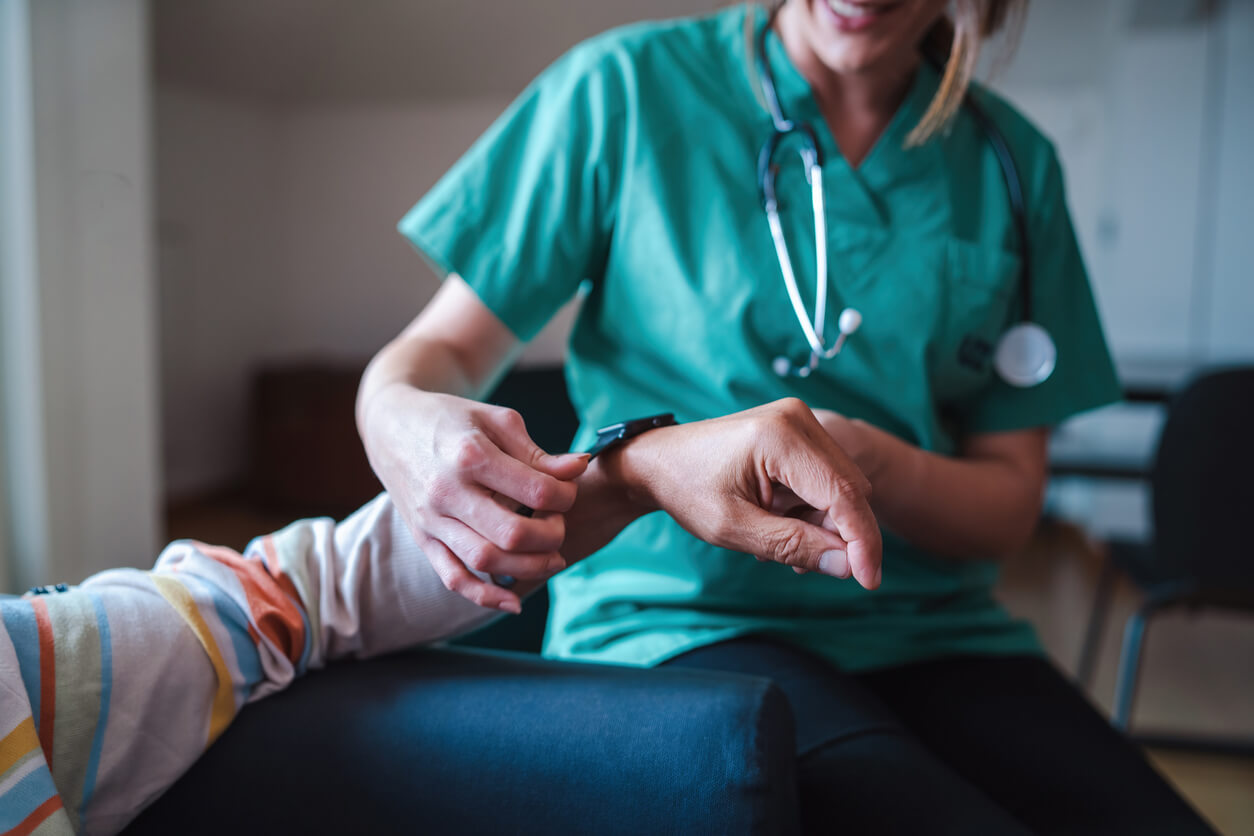
These focus on daily-life contexts and long-term engagement, commonly used in long-term care facilities, home care programs, and community health initiatives. Typical devices include wearables, medication reminders, fall detection systems, home sensors, and care alert/notification solutions.
What Devices are Considered “Telemedicine Devices”?
In real clinical practice, the greatest challenge in implementing telemedicine services is not the availability of devices, but the ability to establish a workflow that actually runs effectively.
Based on FaceHeart’s experience, a practical telemedicine device setup is usually built in three layers:
(1) Core essentials→ (2) Specialty-specific clinical peripherals → (3) RPM kits tailored to specific conditions
1. Video & Communication Essentials (Required Across All Specialties)
To ensure clinical effectiveness and maintain patient experience, telehealth platforms must prioritize stable internet connectivity, low-latency video and good-quality audio to support clear communication during the teleconsultation services. The platform should also support essential operational functions such as scheduling, clinical documentation, and secure communication. If this foundational layer is not reliable, the overall quality of the telemedicine service—and ultimately the patient experience—may be significantly compromised.
2. Clinical Exam Peripherals (Choose the Right Ones to Feel More Like an In-Person Visit)
Peripheral diagnostic devices allow clinicians to collect additional clinical data during virtual visits and can make teleconsultations closer to in-person evaluations. The common devices are listed as follow:
- Digital stethoscope: Remote auscultation for heart and lung sounds (commonly used in family medicine, pulmonology, cardiology).
- Otoscope (ear/nasal scope): Especially useful in ENT and pediatrics.
- Dermatoscope / close-up lens: Helpful for dermatology, wound care, plastic surgery follow-up.
- High-resolution document/report scanning: Helps test results enter the review workflow quickly.
The specific peripherals required vary by specialty and care plan design.
3. RPM Measurement Devices (Commonly used for Chronic Disease, Post-Op, and High-Risk Care)
The value of RPM is trend tracking. It’s not about perfect one-time readings—it’s about stable, usable long-term data transmission.
Typical Remote Patient Monitoring (RPM) devices include:
- Heart-rate or ECG monitors
- Blood pressure monitors
- Pulse oximeters
- Glucose meters
- Weight scales
Additional devices may be introduced depends on conditions:
- Continuous Glucose Monitors
- ECG/EKG Devices
- Sleep Trackers
Many telemedicine implementations do not fail due to the quality of devices, but rather due to challenges in patient adoption and usability. Complex workflows or inconvenient measurement processes can lead to inconsistent patient data collection.
Therefore, optimizing the patient experience should be one of considerations when selecting and deploying telemedicine devices.
How Should Telemedicine Devices Address Privacy and Cybersecurity?
When health data and personally identifiable information are involved, telemedicine devices must meet stringent security and compliance requirements. In practice, real-world clinical deployment requires a multi-layered security approach, including technology safeguards, access control mechanisms, governance and workflows policies, and ongoing operational management.
1. Technology Safeguards: Build Baseline Protection for Data Transmission and Storage
- Measurement data transmission must use a secure approach (e.g., TLS encryption).
- Server-side storage should include encryption, regular backups, and traceability (Ensure records are readily available for audit when required.).
- Prevent data from being shared across unsecured channels such as personal messaging apps or unmanaged devices.
2. Access Control Mechanisms: Prevent Convenience from Becoming a Security Risk
- Define user roles and apply the principle of least privilege: physicians, nurses, care managers, administrators, and family/caregivers should each have appropriately scoped permissions.
- Support multi-factor authentication (MFA) wherever possible.
- Ensure all access and actions are recorded through audit logs to maintain accountability.
3. Governance and Workflow Policies: Define Data Rules First
- Clearly define what data must be retained, for how long, and who is authorized to access or download it.
- Establish protocols for reporting and escalating abnormal events.
- Define processes for handling patient requests related to data access, withdrawal, or deletion.
Without clearly defined governance policies, risks increase significantly as the system scales.
4. Operational Management: Ensure Security and Reliability
Telemedicine devices aren’t “set-and-forget” tools, they require continuous management to remain secure and reliable. Key considerations include:
- Update mechanisms and update frequency for devices and apps
- Vulnerability monitoring processes
- Define end-of-life timelines of product and support duration
- Incident response procedures and collaboration when security issues occur
This is especially in home settings, where the environment is uncontrollable (e.g., unstable networks, older devices, shared devices). Simplifying user workflows, minimizing data exposure, and enforcing clear access controls are critical to balancing security with usability.
How Will Telemedicine Devices Shape the Future?
The core value of telemedicine devices is that they transform healthcare from point-based services into continuous, connected care. Their growth will continue for several practical reasons:
1. Shifting Clinical Decisions from Single Readings to Longitudinal Trends
A normal blood pressure reading during a clinic visit doesn’t reflect a patient’s day-to-day condition. By capturing longitudinal data, care teams can identify early signs of deterioration, intervene sooner, and reduce the risk of acute events.
2. Expanding Access to Care and Improving Resource Efficiency
Telemedicine devices improve health access for rural communities, people with limited mobility, care facilities, and home-based care. For providers, this also expands capacity and enhances operational efficiency, allowing routine follow-ups and education that can be handled remotely. Therefore, in-person appointments are reserved for patients who truly require direct clinical attention.
3. Improving Chronic Disease Management and Post-Op Care
One of the greatest risks in chronic and post-operative care is discontinuity: patients return home without consistent monitoring or follow-up. With telemedicine devices, care can be standardized into a structured and consistent workflow:
measure → transmit → review → alert → intervene → follow up
This approach supports more timely interventions.
4. Reduce Barriers through Lower Hardware Dependence
In the long term, patient adoption matters more than device specifications. By minimizing measurement friction, such as using withoutwearables and enabling measurement through devices patients already have, it can significantly improve engagement and patient outcomes. This shift toward low-friction, and scalable solutions is exactly where FaceHeart continues to focus its efforts.
Pricing and Cost Analysis for Telemedicine Devices
When evaluating telemedicine devices, one of the most common mistakes is focusing only on upfront device cost and overlooking the total cost of ownership (TCO).
1. Entry-Level Costs: Basic Home RPM
This category typically includes high-demand, widely used devices such as blood pressure monitors, pulse oximeters, thermometers, and scales.
- Pros: Low barrier to entry and easy to roll out at scale.
- Cons: If patients don’t know how to use the devices or if data transmission is unstable, the clinical value of the data can be reduced quickly.
2. Advanced Costs: Clinical Peripherals and Specialty Kits
Adding tools such as digital stethoscopes, otoscopes, dermatoscopes, and ECG/EKG devices can enhance the quality of remote visits and bring them closer to in-person clinical standard. However, this benefit comes with increasing cost and operational workload.
3. Hidden Costs: Long-Term Cost Considerations After Implementation
Many of the highest costs only become apparent after implementation. These include:
- Platform and Infrastructure: software licensing, cloud storage, and data transmission/bandwidth
- System integration: HIS/EMR integration, APIs, dashboards, and alerting systems
- Training: onboarding for both healthcare professionals and patients
- Operations and support: troubleshooting, device replacement, consumables, and calibration
- Security and compliance: audits, compliance documentation, and ongoing process maintenance
Key takeaway:
Hardware is only the starting point. In most of telemedicine program, operational workflows and ongoing operations are the key drivers of long-term costs.
How Can Healthcare Facilities Implement Telemedicine Devices?
To implement telemedicine devices successfully, FaceHeart recommends following a clinical pathway approach rather than a procurement checklist. Here is a practical workflow designed to work seamlessly in real-world operations:
Step 1: Define the Care Setting and Target Condition(s)
Begin by identifying the key problem you want to solve, whether it is chronic disease monitoring, post-op follow-up, long-term care facilities, rural outreach clinics, or in-hospital triage. Once the scenario is clearly defined, selecting the right device configuration becomes far more straightforward.
Step 2: Specify What to Measure—and How Often
At a minimum, ensure internal alignment on three points:
- What to measure: vital signs such as blood pressure, SpO₂, heart rate, respiratory rate, and other cardiac parameters
- Measurement frequency: how often each metric should be recorded
- Thresholds and response protocols: define abnormalities (who reviews the data, how quickly, how to respond, and how to intervene)
Step 3: Build a Data Return and Care SOP (Most Critical Step)
The biggest risk in remote monitoring is collecting data that goes unacted upon. To prevent this, one needs an executable workflow such as:
Measure → Transmit → Triage → Alert → Respond → Intervene → Follow up → Close.
Step 4: Start with a Small Pilot Before Scaling
Begin with a single department, a specific condition, or a small patient cohort. Track key performance metrics such as data return rates, patient adherence, average response time, and abnormal event resolution rates. Once the workflow runs smoothly, scale gradually—this approach is far more stable and effective than launching across the entire hospital at once.
Step 5: Treat Patient-Side Usability as a KPI
Patient experience is critical to the success of any remote monitoring program. Plan from the outset for clear onboarding and education, ongoing support, regular reminders, simplified user steps, and backup options, such as assistance pathways for patients who may have difficulty operating the device.
5 Key Criteria for Purchasing Telemedicine Devices
When selecting telemedicine devices, you don’t need the most premium setup from day one. However, in our view, any solution you choose should meet these five essential criteria to ensure effective, scalable, and patient-friendly care:
1. Make the Clinical Purpose Clear: Care Delivery vs. Monitoring vs, Screening
Define the problem you are addressing first:
- If your goal is chronic disease monitoring, you should prioritize stable, long-term data transmission.
- If your goal is improving remote visit quality, you should choose clinically useful peripherals that bring the exam closer to an in-person standard.
A clear clinical purpose guides device selection and workflow design, reducing wasted investment and improving patient outcome.
2. Prioritize Usability, Not Just Accuracy
Even the most accurate device is ineffective if patients can’t or won’t use it. When evaluating devices, one should focus on:
- How friendly it is for patients to learn and operate
- Reliable measurement completion
- How stable and consistent data transmission is
- Minimizing missed readings and patient drop-off
3. Integration Capability: Can It Flow into Your System, Trigger Alerts, and Generate Reports?
Avoid data silos by selecting solutions that support:
- APIs, dashboards, and reporting tools
- Alerts and notification mechanisms
- Integration with existing HIS/EMR systems
- Devices that integrate well prevent costly rework and make scaling one’s telemedicine program smoother.
4. Privacy & Cybersecurity: Compliance, Governance, and Continuous Protection
Healthcare organizations must ensure telemedicine devices meet strict privacy and cybersecurity standards. Evaluate devices for:
- Software update and security maintenance to address vulnerabilities promptly
- Vulnerability patching and threat mitigation processes
- Audit trails and access logging for accountability and compliance
- Role-based access control and data governance capabilities
Robust privacy and cybersecurity features ensure HIPAA compliance, protect patient health data, and reduce operational and reputational risk when scaling telemedicine programs.
5. Total Cost of Ownership (TCO) and Scalability
When evaluating telemedicine devices, consider the full total cost of ownership, not just upfront hardware expenses. In the end, you’re not looking to “buy once”; you’re choosing something that can scale and run long-term.
- Platform and software fees, ongoing operations, and staff training
- Device replacement cycles and technical support costs
- Long-term scalability and operational sustainability for program growth
Selecting the right telemedicine solution ensures a scalable, cost-effective program that can expand across departments or patient populations while maintaining reliable performance and clinical outcomes.
Where Are FaceHeart Telemedicine Devices Best Applied?
If your goal is to lower adoption barriers, accelerate deployment, and increase patient engagement, FaceHeart is especially well effective as a low-hardware-dependence telemedicine solution.
FaceHeart’s core concept is using a single camera on common consumer devices for contactless measurement, integrating vital sign monitoring directly into telemedicine and remote care workflows. It is particularly well-suited for the following environments:
1. Remote Outpatient Visits: Add Vital Signs During Video Consultations
Contactless measurement using rPPG technology transforms standard video calls into a medical-grade examination by providing real-time measurement on screen. It is a critical advancement for triaging patients during visits. By mirroring the traditional “check-in” process, FaceHeart allows for a seamless integration into routine clinical workflows. With FaceHeart, measurements can be completed quickly before or during the video visit, providing vital sign data as clinical context..
2. At-Home Chronic Care Monitoring: Reduce Friction for Long-Term Measurement
The hardest part of chronic disease management is doing it every single day. For patients managing chronic conditions such as diabetes, asthma, or congestive heart failure, FaceHeart significantly reduces the friction associated with daily monitoring. The fewer steps required, the less dependence on extra equipment, and the less need for wearables or contact-based measurement, the more likely adherence and data return rates will improve, turning measurements into truly useful longitudinal trends. This technology empowers patients by allowing them to take their vitals at any time, fostering a patient-centered care model that keeps them engaged and educated about their own health. By enabling frequent, low-effort health data collection, FaceHeart helps ensure that patients remain compliant with their long-term care plans.
3. Long-Term Care, Rehabilitation and Physical Therapy Settings: High-Frequency, Fast, Multi-Patient Settings
Care facilities often face tight staffing, fast-paced workflows, and a need for strong hygiene standards. By adopting contactless telemedicine solutions, care facilities can provide patient-centered care that is both more accessible and more efficient, ensuring that even those with reduced mobility receive consistent and high-quality monitoring. Additionally, the contactless nature of the technology eliminates the need for shared physical sensors, which supports high hygiene standards and reduces the risk of cross-contamination in shared facilities.
4. Rural and Community Health Programs: Use Existing Devices to Lower Deployment Costs
Contactless vitals technology is a powerful tool for addressing the "digital divide" in rural and underserved communities. Rural and community health initiatives are most constrained by equipment and maintenance costs. Being able to deploy using existing smartphones or tablets makes it easier to expand coverage and improve access without adding a heavy hardware burden. By leveraging devices that patients already own, community health programs can provide equitable access to high-quality monitoring, ensuring that even those with reduced mobility or limited financial resources can receive consistent medical oversight.
FaceHeart Reminder
Building an effective telemedicine program transcends buying equipment; it requires establishing a long-term support infrastructure that prioritizes data accuracy, technical assistance, and patient engagement to ensure the system remains functional and trusted.
If you’re planning an implementation, start by identifying the care setting and target condition(s). Define the metrics you need to measure and establish the care workflow first. Then use the guidance in this article—equipment checklist, privacy & cybersecurity, cost structure, and the five key purchasing criteria—to make procurement decisions. This approach can save you a time, reduce costs, and help avoid unnecessary detours.
To further lower the barrier to remote measurement and support long-term use, you can evaluate FaceHeart’s SaMD, which utilizes a camera on standard consumer devices. It enables vital sign monitoring to be seamlessly integrated into remote outpatient visits and at-home follow-up workflows.
FAQ
Q1: What’s the difference between telemedicine devices and a telehealth platform?
Telemedicine devices primarily refer to the physical hardware and peripherals used to collect medical information from a patient. This category includes handheld medical equipment like blood pressure cuffs, pulse oximeters, and glucose monitors, as well as specialized tools such as high-resolution imaging cameras and IoT-enabled sensors on wheelchairs or defibrillators.
A telehealth platform, on the other hand, is the software-based infrastructure and secure digital environment that facilitates medical services. Platforms provide the necessary architecture for video conferencing, real-time communication, and file management, allowing patients to consult with providers remotely via apps or web-based portals.
Modern innovations are increasingly integrating device functions directly into platforms. For example, a telehealth platform can now use a software feature like remote photoplethysmography (rPPG) to scan a patient's face via a standard smartphone camera to deliver vital signs. This integration can reduce the necessity for standalone home-based biometric devices, allowing the platform to perform clinical measurements without extra hardware.
Q2: What’s the most common reason healthcare facilities fail when implementing telemedicine devices?
Healthcare facilities frequently fail to implement telemedicine devices due to high initial costs and a lack of the essential support infrastructure required to sustain long-term operations. While procurement of hardware is a major focus, the technical assistance needed to manage systems and prevent treatment interruptions is often overlooked, even though it is considered just as critical as the hardware decisions themselves. Furthermore, insufficient training for clinicians and practice administrators, combined with the difficulty many patients face, particularly older adults, in adjusting to virtual care workflows, often leads to poor adoption and resistance. These challenges are compounded by technical limitations such as device outages or unreliable internet connectivity, which can make it impossible to provide consistent care and lead to concerns regarding medical liability and data accuracy.
Q3: Do we need to purchase a large set of peripherals for telemedicine?
Not necessarily. While traditional telemedicine often relies on physical hardware like blood pressure cuffs, pulse oximeters, and glucose monitors, modern innovations like rPPG technology are significantly reducing the need for a large set of peripherals. By utilizing the existing cameras on smartphones or tablets to scan a patient's face, providers can collect real-time vital statistics without requiring patients to purchase or maintain extra home-based biometric devices. This approach lowers deployment costs and increases accessibility, although facilities must still ensure they have reliable internet networks and technical support to maintain the system
Q4: How do we evaluate patient adherence?
Patient adherence is evaluated through continuous telemonitoring and the use of patient portals that transmit real-time health data—such as pulse, blood pressure, and glucose levels—directly to a healthcare provider’s analytical interface. Providers can track when and how patients take their medication and monitor whether they are following prescription care plans and attending scheduled follow-up visits. Additionally, mobile health apps allow clinicians to evaluate behavioral targets, such as calorie intake, exercise logs, and medication schedules, empowering patients in their own self-management while providing objective metrics to assess compliance. In a patient-centered care model, tools like rPPG further support adherence by engaging and educating patients, allowing them to take their own vitals at any time and stay connected to their health status.
Q5: What telemedicine use cases is FaceHeart best suited for?
1. Chronic Disease and Medication Management: It is well-suited for the long-term management of chronic illnesses like hypertension and asthma. For instance, pharmacy teams can use it to monitor blood pressure during video calls to determine whether to taper, increase, or decrease a patient's medication.
2. Emergency Triage and Acute Events: Because it delivers results within 60 seconds, FaceHeart can be used to triage patients during acute events. The sources highlight its value in providing objective data during a panic attack, helping to determine if a patient's heart rate is actually rapid or if the event is strictly psychological.
3. Rehabilitation and Physical Therapy: In physical or speech therapy, FaceHeart can simplify the clinical workflow by allowing providers to monitor a patient's vitals (like heart rate) immediately after they complete physical exercises during a video session.
4. Rural Care and Vulnerable Populations: FaceHeart addresses the "digital divide" by serving veterans and other patients in geographically remote or underserved areas who face significant travel barriers. Its ability to run on RGB cameras and existing consumer devices (smartphones, tablets, and smart TVs) eliminates the need for expensive hardware, while its edge computing (offline measurement) specifically resolves the common barrier of unreliable internet connections mentioned in the sources.
5. Clinical Workflow Integration and Kiosks: FaceHeart can be integrated into routine check-in processes, mirroring the in-person experience where a nurse takes vitals before a provider enters the room. Its compatibility with kiosks makes it advantageous for implementation in a wide variety of community health settings.
Disclaimer: FaceHeart Vitals™ is not intended for diagnostic purposes. If you have any health concerns, please consult your healthcare provider.
Further reading
Previous Article: Mobile Health in the U.S.: A Comprehensive Guide to RPM, Telehealth, and Contactless Vital Sign Monitoring
Next Article: Blood Pressure Measurement: How to Make Home Readings More Accurate and Useful for Long-Term Health Management