

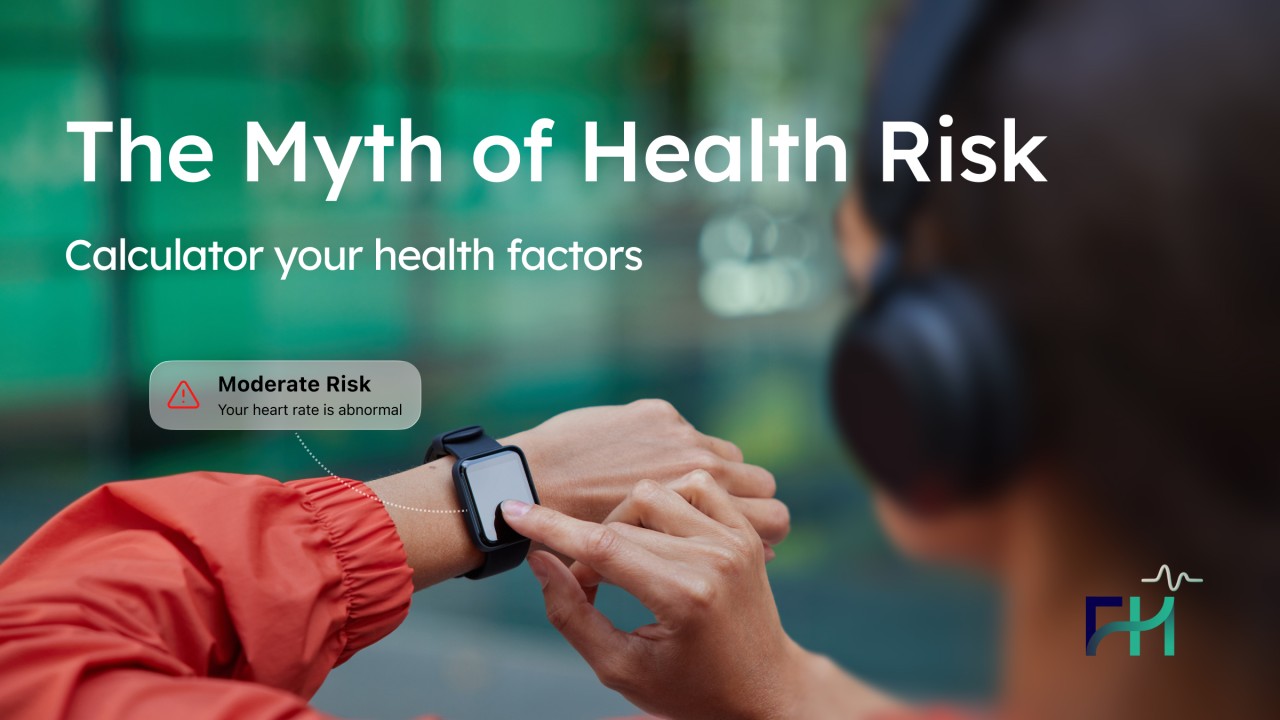
Imagine this: you’re at a routine health check-up, following a set of numbers displayed on your physician’s screen - blood pressure, body mass index (BMI), cholesterol levels - and the label “moderate risk” catches your eye. Or perhaps it’s a notification on your smartphone after tracking your vitals.
These moments can feel scary, even alarming. What do they actually mean? And how do they shape the decisions we make daily about our well-being?
Health risk indicators are more than just statistics—they’re tools that offer a window into our future health. By understanding what they represent, we can move beyond fear and take ownership of our health with clear, actionable insights.
Accurately interpreting and understanding health risk scores can be highly advantageous, as they provide essential preliminary insights. This knowledge enables us to proactively address potential risks and take measures to mitigate hazardous outcomes.
What Is a Health Risk Score?
A health risk score measures the likelihood of experiencing a decline in health based on specific, quantifiable factors. These factors—such as age, weight, blood pressure, and daily habits—determine whether your risk is minimal or elevated.

Importantly, risk scores don’t predict a guaranteed outcome; instead, they spotlight vulnerabilities that can be addressed to reduce the chance of future health problems. By identifying these risk factors early, individuals can take proactive actions—like lifestyle changes, medical interventions, or regular visits to hospitals—to take a step ahead before serious conditions.
With the integration of advanced technologies into healthcare, we are now more exposed than ever to a diverse array of health risk scores. However, we often lack a clear understanding of how these scores are calculated or which data points are.
The Keys: Health Risk Factors
Various attributes, known as risk factors, significantly influence your overall health, categorizing your risks as either elevated or minimal. The following are examples of commonly evaluated factors:
Daily lifestyle behaviors:
- Maintaining a nutritious diet
- Engaging in regular physical activity
Key physiological indicators:
- Blood pressure
- BMI
These factors are among the most commonly analyzed variables in models designed to assess the probability of developing specific diseases.

Zoom in: the Diabetes Risk Score
A study published in Diabetes Care (2003) focused on the development of the Diabetes Risk Score as a tool to identify individuals at increased risk of developing type 2 diabetes. The goal was to enable targeted interventions, such as intensive lifestyle counseling, for high-risk individuals while avoiding invasive procedures like fasting or post-challenge blood glucose testing.
Over a follow-up period exceeding ten years, the study found that the risk of developing diabetes increased with specific factors, including age, BMI, and waist circumference. Additionally, high blood pressure was strongly correlated with a greater likelihood of drug-treated diabetes.
By summing the individual scores for parameters such as age, BMI, waist circumference, use of antihypertensive drugs, and a history of elevated blood glucose levels into a single score, the Diabetes Risk Score helps estimate an individual’s likelihood of developing type 2 diabetes. This enables earlier awareness, prevention, and healthier long-term outcomes.

The Power of Prevention
Risk factors often sound ominous, but they carry a silver lining: they highlight areas where proactive steps can lead to meaningful change. For instance, the diabetes risk score is not just a warning system; it’s a call to action. Studies show that individuals with elevated scores can significantly lower their risk of developing diabetes through targeted lifestyle changes, such as improved diet or increased physical activity.
In this light, risk factors are signals urging us to prioritize prevention By tackling risks early, we have the power to rewrite the trajectory of our health, making prevention not just a medical buzzword, but a source of optimism.

To Summarize: What Can We Learn and What Can We Do?
1. The primary purpose of calculating a health risk score is prevention.
Recent studies demonstrate that type 2 diabetes can often be averted in individuals with higher risk scores through lifestyle interventions. In the aforementioned research, the likelihood of developing drug-treated diabetes was significantly lower among individuals with a low Diabetes Risk Score. This highlights that managing health factors—such as maintaining body mass index, waist circumference, and blood pressure within reasonable standards—can effectively reduce the risk of diabetes and support long-term health.
2. You can calculate your health risk independently.
Health risk scores are designed to predict the likelihood of future diseases using factors that are simple to measure through noninvasive methods. For example, the factors included in the Diabetes Risk Score are straightforward and emphasize modifiable risks associated with diabetes, promoting a healthy lifestyle. By considering factors such as age, weight, waist circumference, and similar metrics, individuals can determine their diabetes risk score with basic statistical calculations, empowering them to take proactive steps toward better health.
3. Accurate measurement of vital signs plays a crucial role in preventing potential diseases.
Health risk scores serve as a practical method for identifying individuals at high risk for drug-treatable conditions while significantly reducing the need for invasive tests during the screening phase. However, the reliability of these scores depends on the precision of the risk factors used in their calculation. Innovative monitoring tools like FaceHeart Vitals™ provide users with accurate and precise solutions for tracking vital signs, ensuring that health risk scores deliver effective and actionable outcomes for improved health management.
Curious about how to monitor your vital signs in 50 seconds?
Book a demo and try out yourself → https://faceheart.com/contact.php